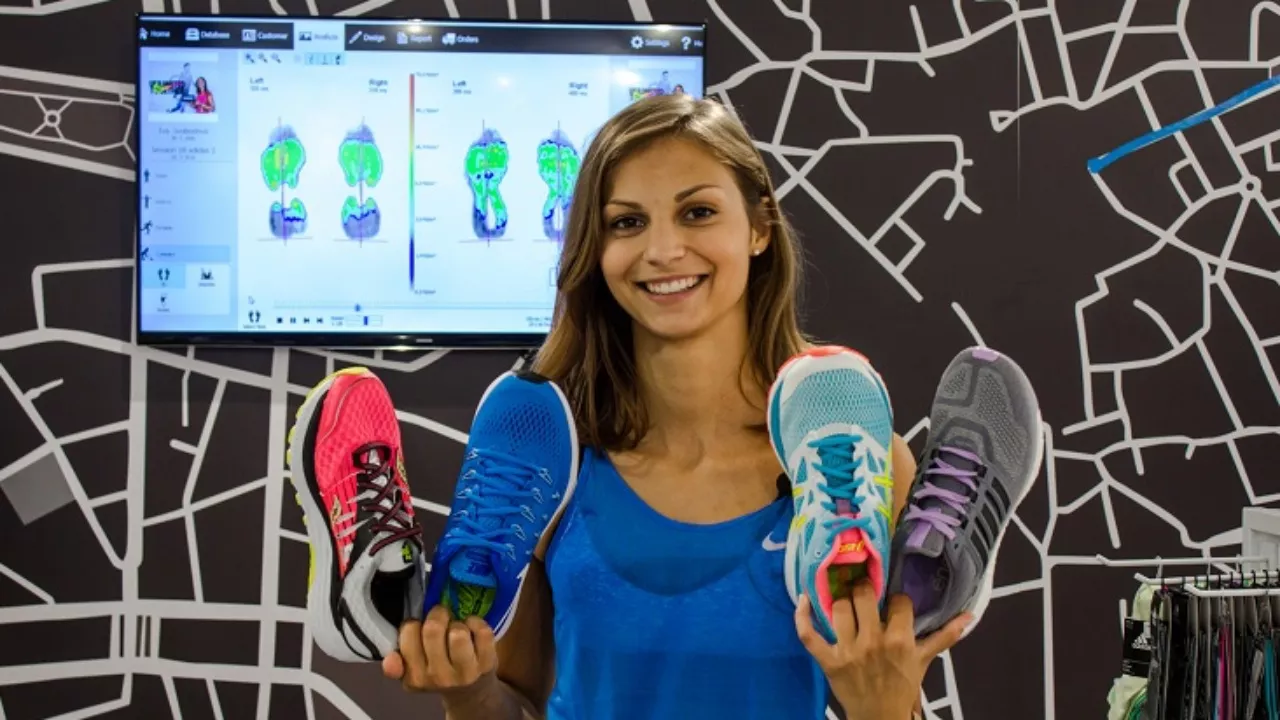
Selecting running shoes is both a science and an alchemy. We are here to help you navigate the entire process. To start, it is important to realize that there is no such thing as a single perfect running shoe that fits everyone. Everyone has to find their own "right one" – or better yet, run their way to it. To make it easier for you, we have created a comprehensive guide with 7 essential questions to answer before you add those running shoes to your cart.
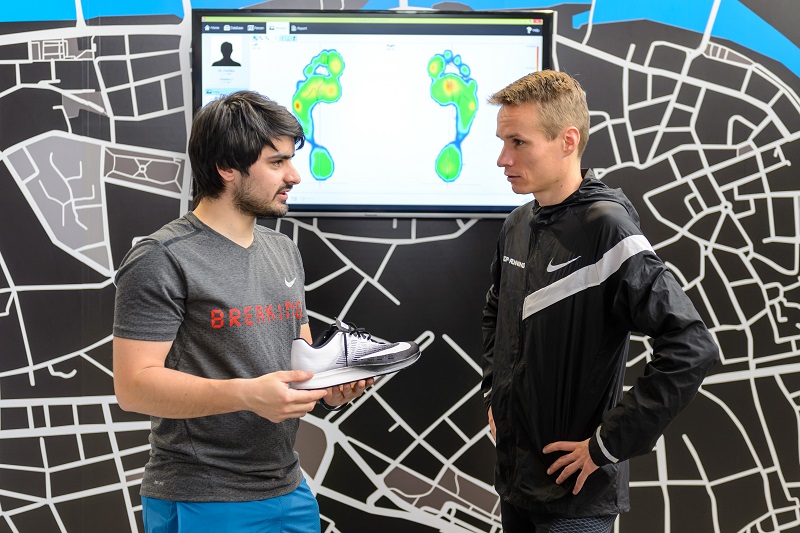
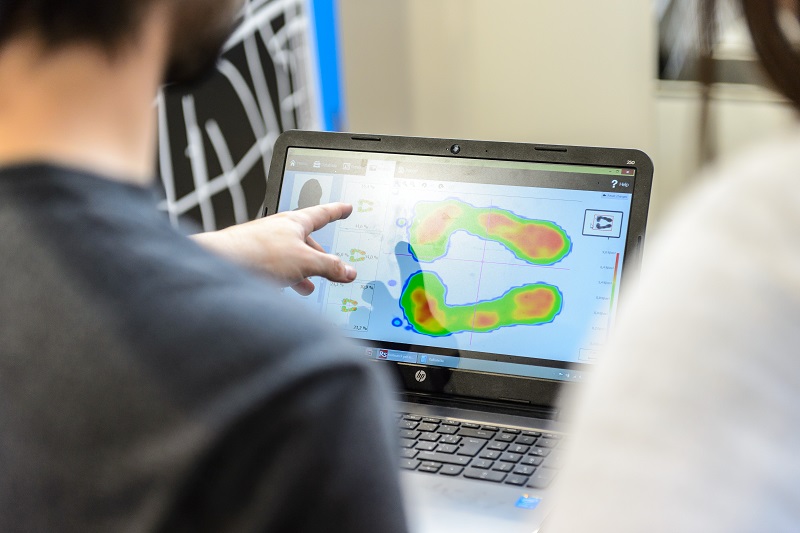
Before we begin, remember that if you're unsure and have no prior running experience, it's best to choose your running shoes "offline." At our Top4Running store, we'll be happy to help – we have a modern footscan available for precise gait analysis. Our team will review the results with you and recommend the right shoe that aligns not only with your running goals but, most importantly, with your health. And that's what we all primarily want – to keep moving for a long time and without pain.
If you're looking for help choosing your running shoes online, the promised guide is right here. Ready? Let’s dive into the first question.
1. What kind of runner are you? Honesty above all
Selecting the right shoe starts with a look in the mirror and an honest evaluation of your current abilities. It's easy to be tempted by the latest model designed for elite marathoners, but let’s be real: it’s not always the right fit. There are many types of runners, and we’ve identified 6 common categories – some general, others more specific. Do you recognize yourself in any of them?
- Just starting out? For beginners at the start of their running journey, versatile daily trainers (volume models) are ideal. You can handle almost all your training in them – from everyday runs and recovery jogs to longer distances.
- Hobby to intermediate runner? Already have some miles under your belt and want to push further? In this case, it’s a good idea to have one versatile daily trainer for a slower pace and rotate it with a faster model for tempo sessions.
- Seasoned runner or racer? If so, you already know your way around the market. Your shoe rotation likely includes several models – for easy jogs, long runs, tempo workouts, races, etc.
- Getting back after an injury or carrying extra weight? Forget about stiff racing "rockets." Your joints, muscles, and tendons need maximum support and comfort in the form of a high level of cushioning.
- Heel striker? Avoid minimalist shoes with low cushioning and a zero drop. Without adequate cushioning, your knees and ankles would take a real beating with every stride.
- Not quite sure about your running form? Choosing a shoe based solely on design or a favorite brand might be tempting, but it’s risky. You’re better off stopping by our Top4Running store, where we’ll discuss your goals and find a shoe that aligns with both your performance and your health. Plus, we can give you tips on your running technique.
2. Where will you run? Terrain is key
The next question you need to ask yourself is: Where will your steps take you most often? Running shoes are divided into three primary categories.
1) Road
Road shoes are at home on asphalt, concrete, and paved paths. They feature a smoother outsole pattern, are lightweight, and contain plenty of cushioning foam in the midsole to soften hard impacts, thereby relieving your joints, muscles, and tendons.





2) Trail
Trail shoes love forest paths, mud, or mountain trails. The outsole has a very aggressive lug pattern (grip) that bites into the surface and keeps you stable. The upper is more durable to handle encounters with roots or rocks. The level of cushioning is sufficient, but designed with the stability you need in unpredictable terrain.



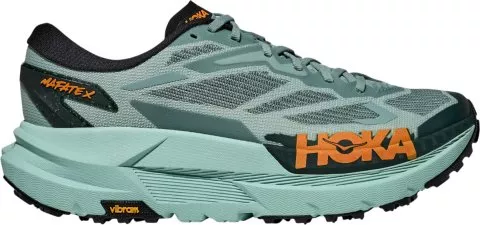






3) Road-to-Trail combination
If your run starts on asphalt and ends in the woods, reach for "all-terrain" or road-to-trail shoes. They feature a medium-depth tread that supports you in the terrain without slowing you down on the road.

4) Spikes
A specific category of running shoes, designed primarily for the athletic track.



3. Footstrike type: Pronation, supination, or neutral?
Everyone lands on the ground a little differently. Essentially, there are three types of footstrike:
- NEUTRAL: Ideal alignment without significant deviation.
- PRONATION: The ankle rolls inward upon impact.
- SUPINATION: The ankle rolls outward upon impact.
Remember that to a certain extent, both pronation and supination are completely normal. It is a natural way for the foot to react to impact and maintain stability. In such cases, there is no need to worry, and you can comfortably wear neutral models.
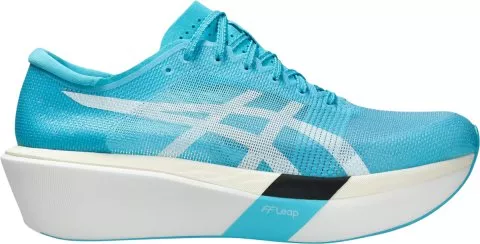
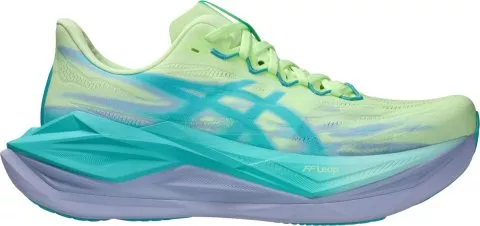
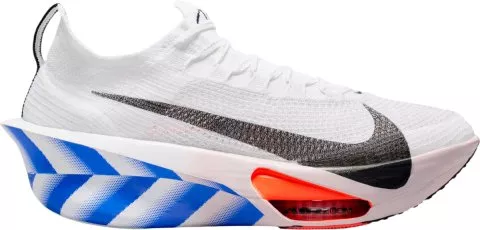
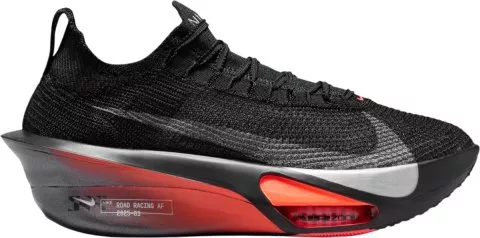
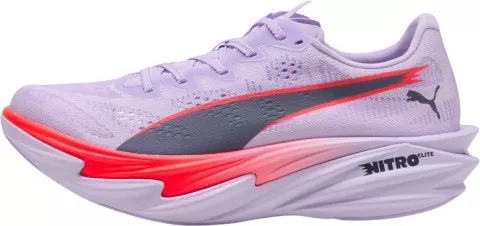
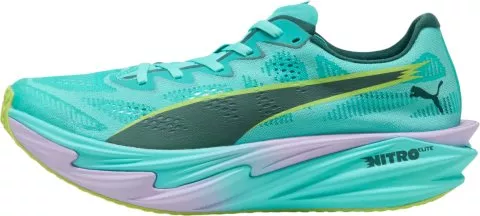
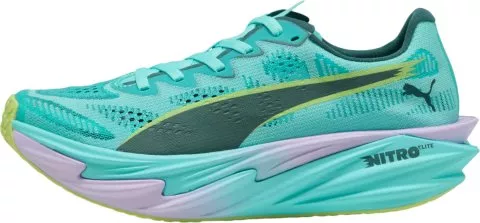
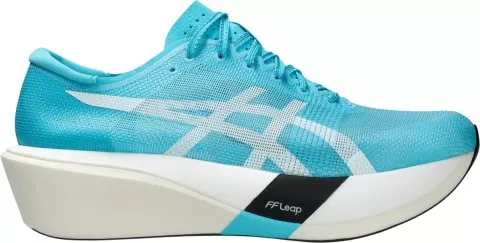
Check out some of our best-selling neutral models:


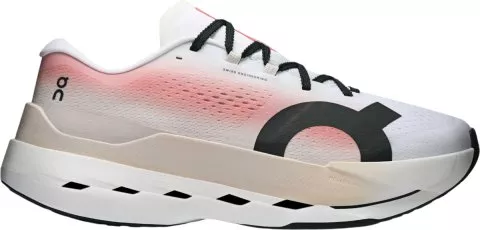
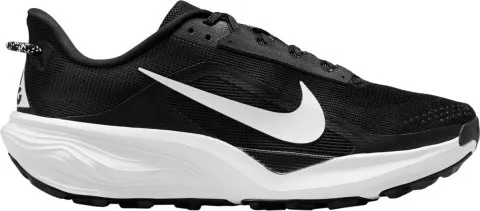

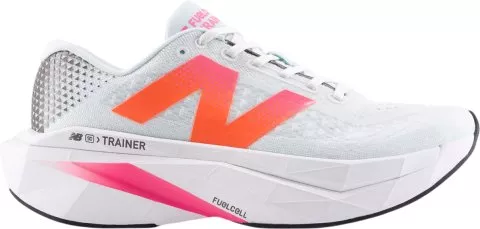
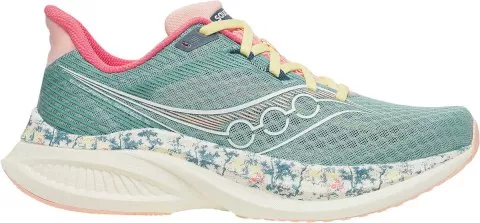

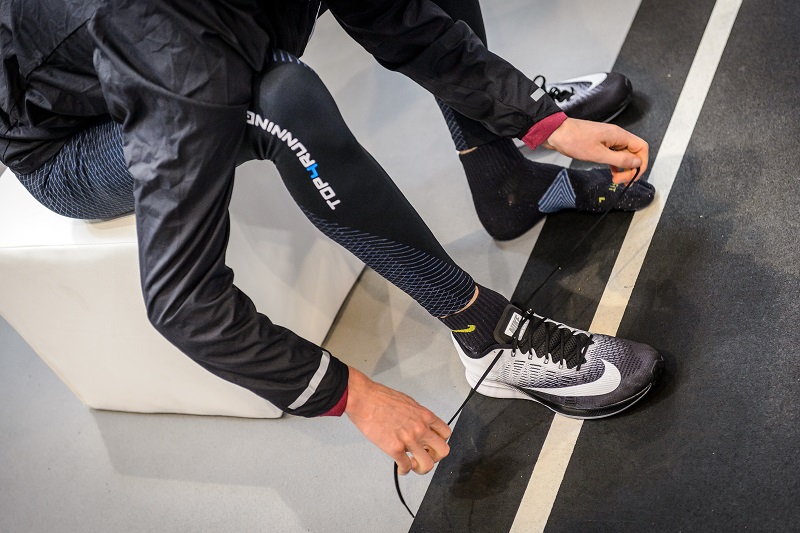
A problem arises in cases of excessive deviation (overpronation or oversupination). This can lead to joint pain or injury if left unaddressed. The best approach is to work on your footstrike technique through specific exercises, but you can also find support in: stability shoes for pronation (these are more stable, featuring firmer foam on the medial side to correct unwanted ankle roll) or shoes with a high level of cushioning in the case of supination (specific "supination-correcting" shoes are almost non-existent).
4. Purpose: Training or chasing personal bests?
Before you add shoes to your cart, be clear about what kind of runs you plan to do in them. Each type has its specific role:
- Daily Trainer (Volume shoe): The ideal partner for beginners and for everyday miles after work or on the weekends. It is heavily cushioned and built for high mileage. While it is often slightly heavier than tempo or racing shoes, the extra comfort is definitely worth it.
- Tempo Shoe: This is the shoe for days when you want to speed up or sharpen your pace. It’s perfect for speed workouts as well as longer races.
- Racing Shoe: An uncompromising machine or "rocket" for seasoned runners and experienced racers. In most cases, it features a carbon plate or other high-end speed technologies. It will help you reach a new personal best (PB), but it won't forgive any flaws in your running technique.
Top4Running TIP: What should you wear for a race based on its distance? For a 10k, go ahead and lace up those racing "rockets." For a half-marathon, tempo shoes are usually a better bet, and for a full marathon, where fatigue really adds up, reach for comfortable daily trainers.
5. Level of cushioning: Like a cloud or ground contact?
Cushioning is one of the fundamental features of a running shoe. Its job is to absorb impact and protect your joints, tendons, and muscles. It is made of specialized foams located in the midsole. Generally, the higher the cushioning, the greater the protection, but often at the cost of lower stability and less ground feel. Let’s look at how cushioning actually works.
- High cushioning: Ideal for beginners, runners with higher body weight, or for long-distance training on asphalt. It is perfect for anyone whose number one priority is maximum comfort upon landing.
- Low cushioning: Suited more for experienced runners who want to feel the surface and have a quick energy return during toe-off.
But don’t worry, cushioning isn't black and white. There are plenty of models that offer a "sweet spot" in between – providing sufficient cushioning while maintaining stability and a solid connection with the ground.
6. What exactly is "Drop"?
Drop. A word that is being mentioned more and more often in the running world. It refers to the difference in millimeters between the height of the heel and the toe. At first glance, it might seem like no big deal – a millimeter here, a millimeter there. However, the opposite is true. Check out the three categories and get clear on drop once and for all.
- High drop (10 mm and more): Suitable for runners who need to relieve their Achilles tendons or for those who are heavy heel strikers.
- Low or zero drop (0–4 mm): Found in so-called minimalist running shoes. They promote a natural midfoot or forefoot strike. However, they require time to adapt; otherwise, you're risking strain or even injury to your calves.
- Medium drop (5–9 mm): The "golden middle" that allows for a natural midfoot strike while still offering enough comfort when fatigue kicks in and you start landing more on your heel.
7. Size: Forget your standard shoe size
Have you already picked out THE one? Then it’s time to choose the right size. The golden rule is: Running shoes should be 1 to 2 sizes larger than your regular lifestyle shoes. Your feet tend to swell during a run, and they naturally slide forward on descents. There should be a gap roughly the width of your thumb (about 1 cm) between your longest toe and the front of the shoe. If the shoe feels tight the moment you take it out of the box at home, it will be a nightmare during a run.
How to Choose Running Shoes: A Few Final Tips
- Socks are half the battle: Socks are a crucial link between your foot and your running shoe. Forget about cotton. Invest in functional running socks that are moisture-wicking and prevent blisters or uncomfortable pressure points.
- Shoe lifespan: Most running shoes lose their cushioning properties after 600–900 km. Even if they still look great on the outside, the cushioning foam might be "tired" and less effective. If you’re approaching this limit and start feeling discomfort or aches during your run, it’s time for a new pair.
- Rotate your shoes: If you run more than 3 times a week, it’s a good idea to have two pairs. For example, you could have high-cushioned daily trainers for everyday or long runs along with a faster model for tempo sessions – or one pair for the road and one for the trails. Your feet (and the shoes themselves) need a break from the same type of repetitive strain. And let’s be honest, more variety = more fun.
That’s it, we’re at the end! We believe you now have a clearer idea of which type of shoe to lace up. We know that the journey to finding the right running shoe can be challenging, but it will pay off – in the form of joyful and pain-free miles.







 EUR - European Union (English)
  EUR - Top4Running.at (Deutsch)
  EUR - Top4Running.be (In Dutch)
  EUR - Top4Running.bg (BG)
  EUR - Top4Running.hr (Hrvatski)
  EUR - Top4Running.cy (EL)
  CZK - Top4Running.cz (Česky)
  DKK - Top4Running.dk (Dansk)
  EUR - Top4Running.fi (Suo̯mi)
  EUR - Top4Running.fr (Français)
  EUR - Top4Running.de (Deutsch)
  EUR - Top4Running.gr (EL)
  HUF - Top4Running.hu (Magyar)
  EUR - Top4Running.ie (English)
  EUR - Top4Running.it (Italiano)
  EUR - Top4Running.nl (Dutch)
  PLN - Top4Running.pl (Polski)
  EUR - Top4Running.pt (Português)
  RON - Top4Running.ro (Româna)
  EUR - Top4Running.sk (Slovensky)
  EUR - Top4Running.si (Slovenski)
  EUR - Top4Running.es (Español)
  SEK - Top4Running.se (Svenska)
  CHF - Top4Running.ch (German)
  +49 79 519 549 600
 info@top4running.com