
The calf muscle gets a lot of work when running. No wonder then that its pain and injuries are among the most common health complications in runners. We''ll tell you what types of pain there are, and we''ve got tips for prevention and more pain-free miles!
Causes of calf pain in runners
Has your calf started to hurt and are you wondering what it could be? Read about the most common causes:
- Overuse and overtraining: The calf muscles are responsible for cushioning and dissipating the impact of each stride you take, and if they don''t have enough time to recover, it''s the pain that makes itself known.
- Stiffness: Rock hard calves, you know the condition. Stiffness can be caused, for example, by muscle imbalances or weakness in other muscles, usually the hip or gluteal muscles − in this case, the calf muscles are doing more of the work for other weakened parts.
- Toes only over the top of the foot: Toe-only impacts are a big strain on the calves and can cause Achilles problems or muscle spasms in addition to calf pain. Try to match your stride to the distance, your speed and the surface you are running on and not to hit the toe at all costs.
- Injuries: A calf strain or tear, Achilles tendonitis or a fatigue fracture can also stop you. These injuries are often caused by overuse or improper training and are already the result of underestimating the problem in the past.
Top4Running TIP: How to get the right running technique? Run properly, healthy and long!
Types of calf pain when running
If you experience calf pain while running, it''s important to be honest about how intense the pain is. To give you an example, there are two situations:
- Situation #1: After running, you felt a slight tightness in your calf area that you have never experienced before. The pain is not severe and does not restrict you in any way. Then you realise that you had a leg strength training session yesterday and your muscles are tired. In this case, you can continue running, but with respect to the sore muscles. For example, just take a free shorter run and afterwards stretch and roll out thoroughly.
- Situation #2: You feel pain in your calves for several runs, which increases with each pedal and cramps. In this case, you''ll do best to swallow your running ego and not go through the pain. Remember, pain is not the enemy, but an indication that something is wrong in your body.
A burning feeling can also occur. This type of pain is often present in the lower leg and can be caused by poor circulation or nerve damage.
If the pain is intense and cramping occurs, take a break. Training in the presence of chronic pain would be counterproductive, the joy of running would disappear and injury could occur.
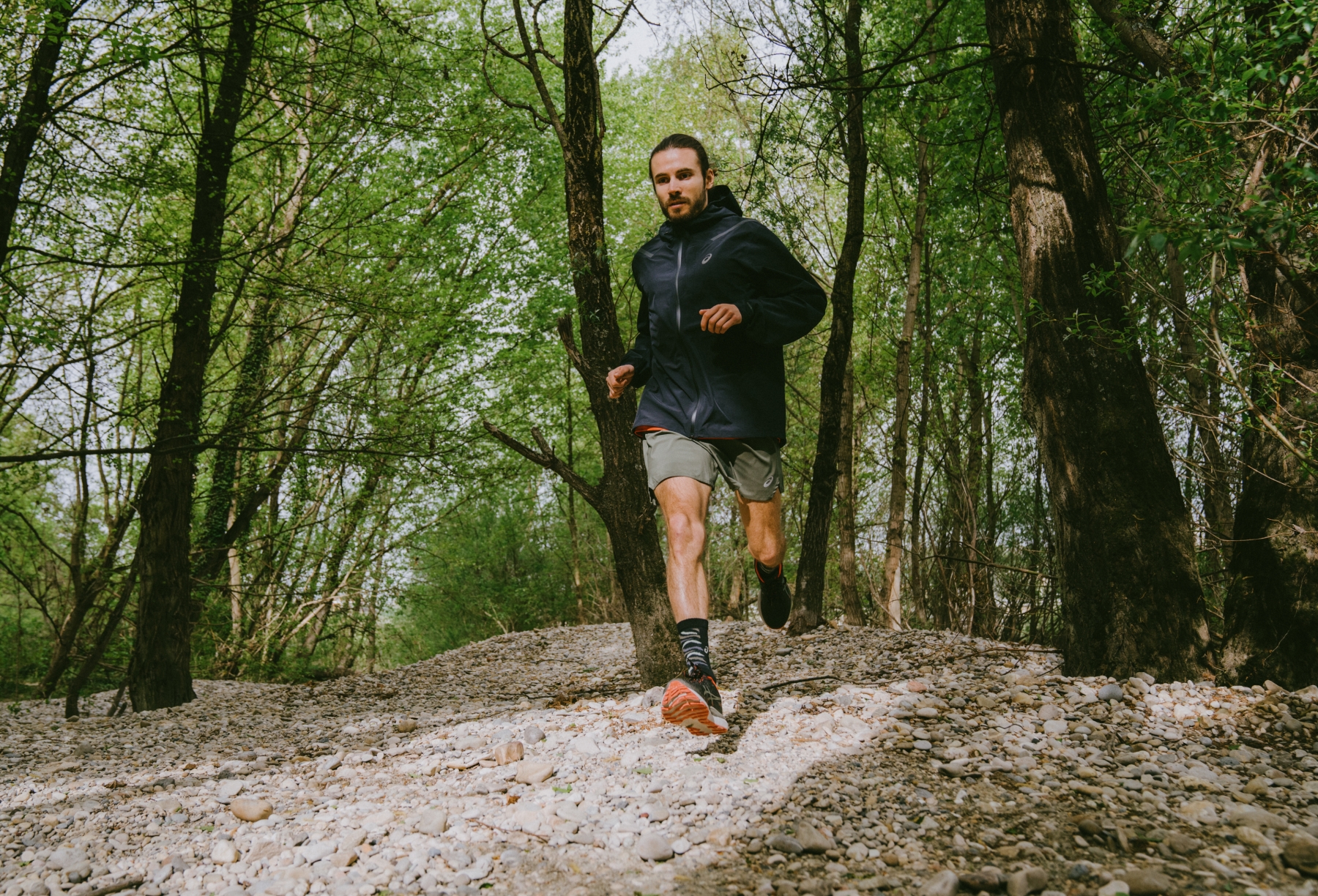
Calf pain after running
Do your calves still hurt after running at rest? Again, you need to distinguish what type of pain is involved:
- Delayed Onset Muscle Soreness (DOMS). DOMS is a common condition where muscles are sore and stiff for a day or two after training. It is a normal part of the recovery process and usually resolves on its own within a few days.
- Muscle strain or tear. If you experience calf pain after a run that shoots up and makes it impossible for you to function daily, your calf is swollen and hurts to the touch, these may be signs of a pulled or torn muscle. In this case, take a running break, rest, and if the pain persists for more than 4 − 5 days, seek medical attention − preferably from a physiotherapist.
Prevention of calf pain
We hope you''re already applying some of our tips − they''re absolutely essential for every runner. Try to gradually build the rest into your running routine and focus on consistency above all else.
- Warm up before your run. This includes dynamic stretching exercises (stretching out your joints), running alphabet, jogging or graded straights.
- Post-run stretching. Static stretching about an hour after exercising or rolling on a foam roller to release tension in the muscles. The calf muscle is made up of two parts, one part you stretch by bending at the knee and the other part by bending at the knee, so don''t forget either part.
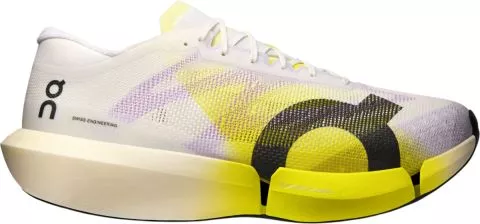
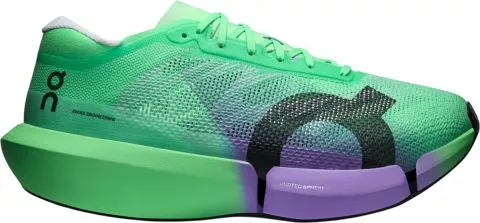
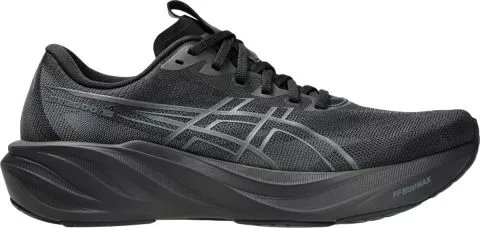
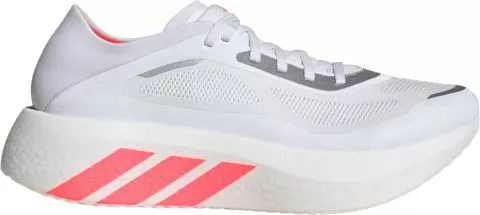
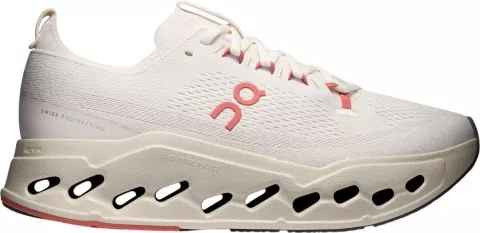
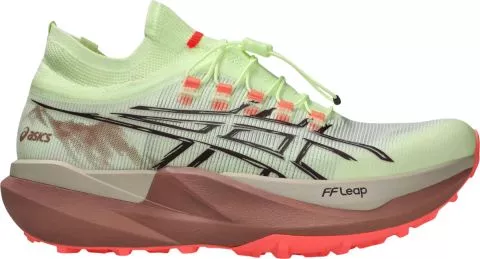
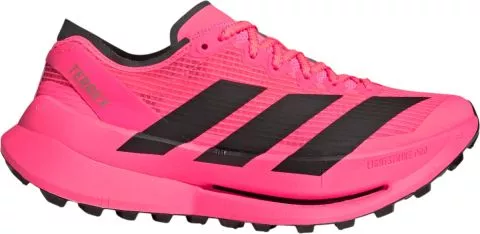
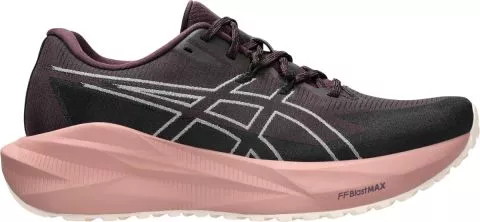
- Appropriate running shoes. Make sure you have the right running shoes for your foot shape, type of stride and your specific needs. The surface you run on most often also plays an important role − soft and cushioned road shoes and harder, more durable trail shoes behave differently.




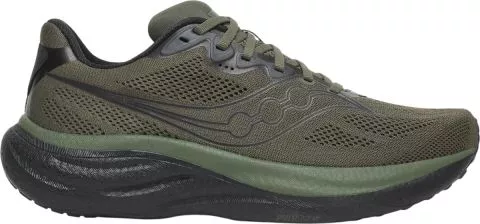

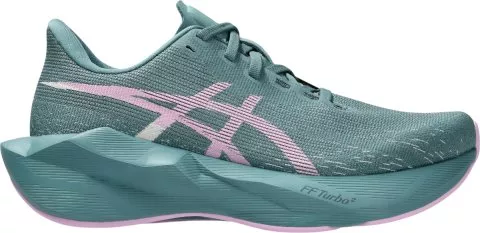












- Increase the distance, volume and intensity of your run gradually. This will give your body room to adapt and won''t be a shock treatment.
- Getting used to a different surface. The previous point is loosely linked to this one. If you are changing from road to off-road or vice versa, change surfaces first. Now we don''t mean occasional runs, which are fine, but rather long runs and workouts as part of your training.
- Strength training. Not just your calves, but your whole body. Muscles support the bones and help each other during exercise. For your calves, you can try classic but functional lunges − you stand with your toes on a step and pull yourself up from it. You can work out in the comfort of your own home, just 30 minutes 2 − 3 times a week.
- Other sports. If you''re not training for a running race, incorporate other forms of activity into your routine, such as cycling, swimming or team sports. This will help you compensate for the work your muscles do when you run and avoid a stereotype in your sporting life.
A really thorough warm-up and stretching is essential. Unfortunately, many hobby runners don''t do these activities at all or minimally. Doing so is basic calf pain prevention, which will prevent chronic pain or inflammation.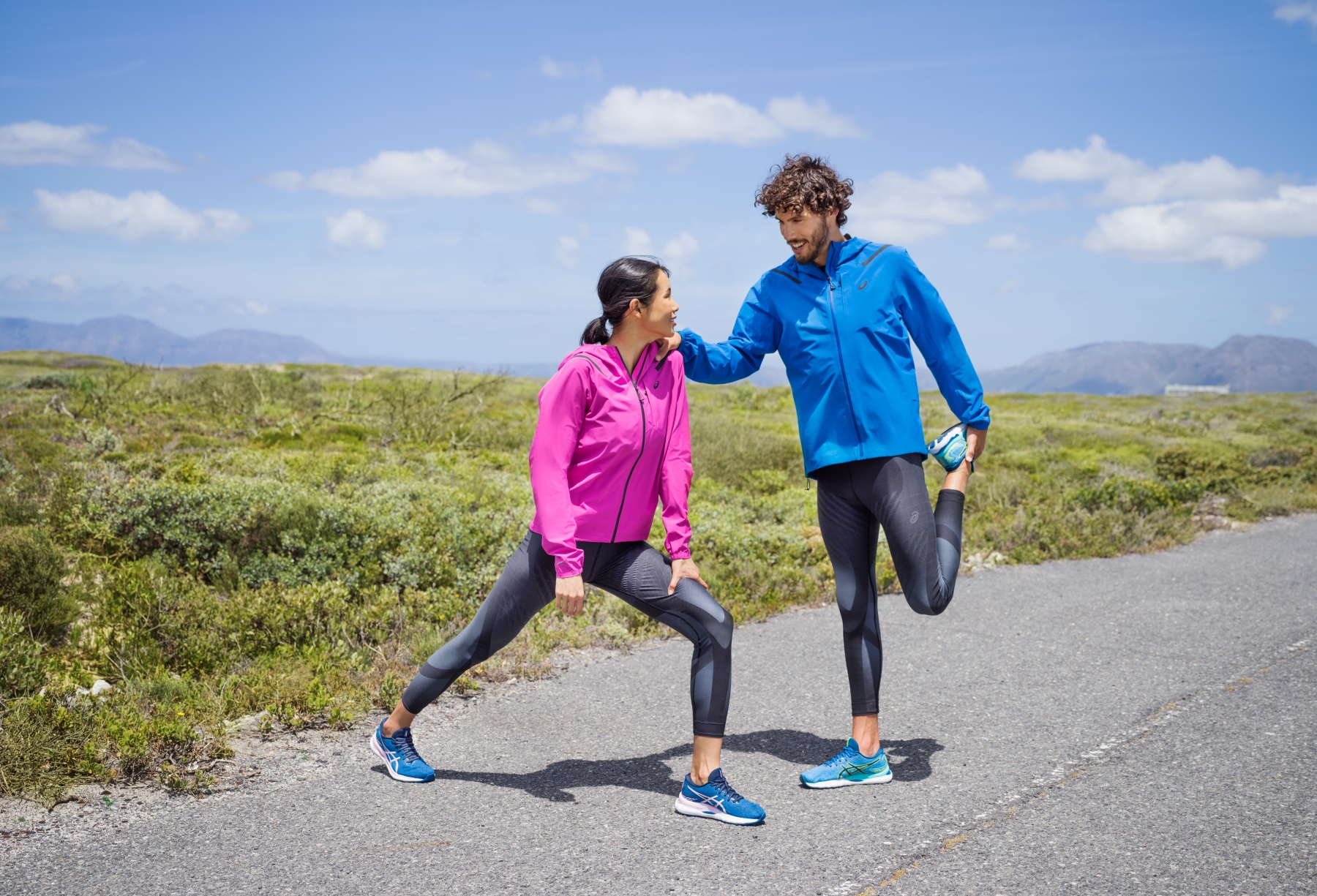
Calf muscle inflammation
The calf muscle is very prone to developing inflammation. It occurs when a tear appears in it − it is the presence of inflammation that makes the affected area heal and recover. We can distinguish it into:
- Acute inflammation: acute damage leads to swelling of the affected area, redness and especially severe pain.
- Chronic inflammation: in chronic inflammation, the calf area does not swell because the inflammation comes on gradually and therefore the pain intensity changes.
Causes of calf muscle inflammation
The most common causes are prolonged overuse, muscle imbalance, weakened muscles or an imbalance in the position of the bones in relation to each other. If you cause your body stress and strain (training or racing) and do not give it the necessary recovery (warm-up, stretching, balanced diet, sleep, etc.), it is only a matter of time before the first health complications appear.
Treatment and therapy of calf muscle inflammation
When inflammation occurs, rest and resting is necessary and most important, and the affected limb should be stepped on as little as possible to give it room to regenerate and heal. Means you can use to speed up healing are: tightening the calf area with a bandage, icing (about 15 - 20 minutes) several times a day over a towel, elevating the area above the heart in case of swelling, lubricating the area with healing ointments or gels.
Remember that the human body is complex and the cause does not always have to be in the place where it hurts. A lot of back pain, especially in the lumbar spine, is transferred to the legs. Therefore, if the pain is prolonged or uncomfortable, always confide in a physiotherapist − whether you are training for a race or just running for fun.



 EUR - European Union (English)
 EUR - Top4Running.at (Deutsch)
 EUR - Top4Running.be (In Dutch)
 EUR - Top4Running.bg (BG)
 EUR - Top4Running.hr (Hrvatski)
 EUR - Top4Running.cy (EL)
 CZK - Top4Running.cz (Česky)
 DKK - Top4Running.dk (Dansk)
 EUR - Top4Running.fi (Suo̯mi)
 EUR - Top4Running.fr (Français)
 EUR - Top4Running.de (Deutsch)
 EUR - Top4Running.gr (EL)
 HUF - Top4Running.hu (Magyar)
 EUR - Top4Running.ie (English)
 EUR - Top4Running.it (Italiano)
 EUR - Top4Running.nl (Dutch)
 PLN - Top4Running.pl (Polski)
 EUR - Top4Running.pt (Português)
 RON - Top4Running.ro (Româna)
 EUR - Top4Running.sk (Slovensky)
 EUR - Top4Running.si (Slovenski)
 EUR - Top4Running.es (Español)
 SEK - Top4Running.se (Svenska)
 CHF - Top4Running.ch (German)
 +49 79 519 549 600
 info@top4running.com